WW2 Destinations

Explore concise overviews of key sites, with maps, practical tips, and travel notes. Each page links back to the broader mission and David’s personal reflections.
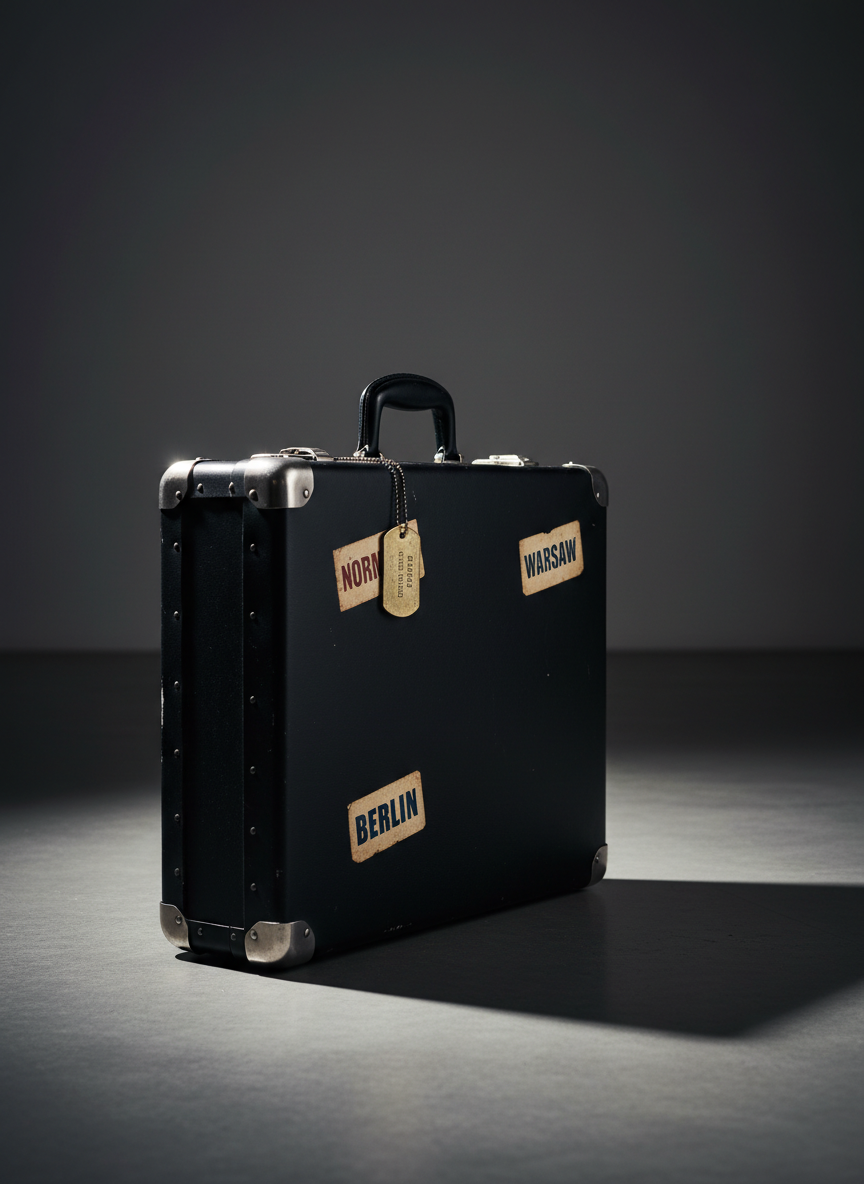

A sleek, matte-black vintage-style suitcase with reinforced metal corners, adorned with minimal WW2-era destination labels like “Normandy,” “Berlin,” and “Warsaw,” stands upright on a smooth concrete floor. A single, detailed brass dog tag hangs from the handle, catching the light. Harsh, directional lighting from above-left casts strong, crisp shadows to the right, carving out the contours of the suitcase and emphasizing its rugged texture. The background is stark and uncluttered, fading to deep gray, creating a minimalist, high-impact studio environment. Captured at eye level with sharp focus and tight framing, the photographic image feels bold, modern, and purposeful, perfectly suited as a hero image for a sabbatical travel blog about WW2 destinations.
A weathered World War 2 leather field journal lying open on a rough, dark wooden table, its yellowed pages filled with faint pencil maps and coordinates. Beside it rests a tarnished brass compass and a neatly folded, faded military map of Europe marked with red pencil lines. Sharp, directional light from the right cuts across the scene, casting crisp, dramatic shadows that emphasize every crease and scratch. The background is minimalist and shadowed, with no distractions, creating a bold, high-impact composition. Shot at a slightly elevated, three-quarter angle with shallow depth of field, in photographic realism, conveying a sense of focused determination and historical discovery for a WW2 travel blog.

David’s Sabbatical 2026

David’s 2026 sabbatical follows WW2 sites from battles to bunkers, weaving travel with history. This site shares stories, context, and practical tips so curious readers can explore responsibly and understand the human side of the conflict.

Guiding Principles

This blog aims to present WW2 history with rigor and sensitivity. I foreground reliable sources, acknowledge biases, and separate myth from memory, inviting thoughtful dialogue without sensationalism or distortion.
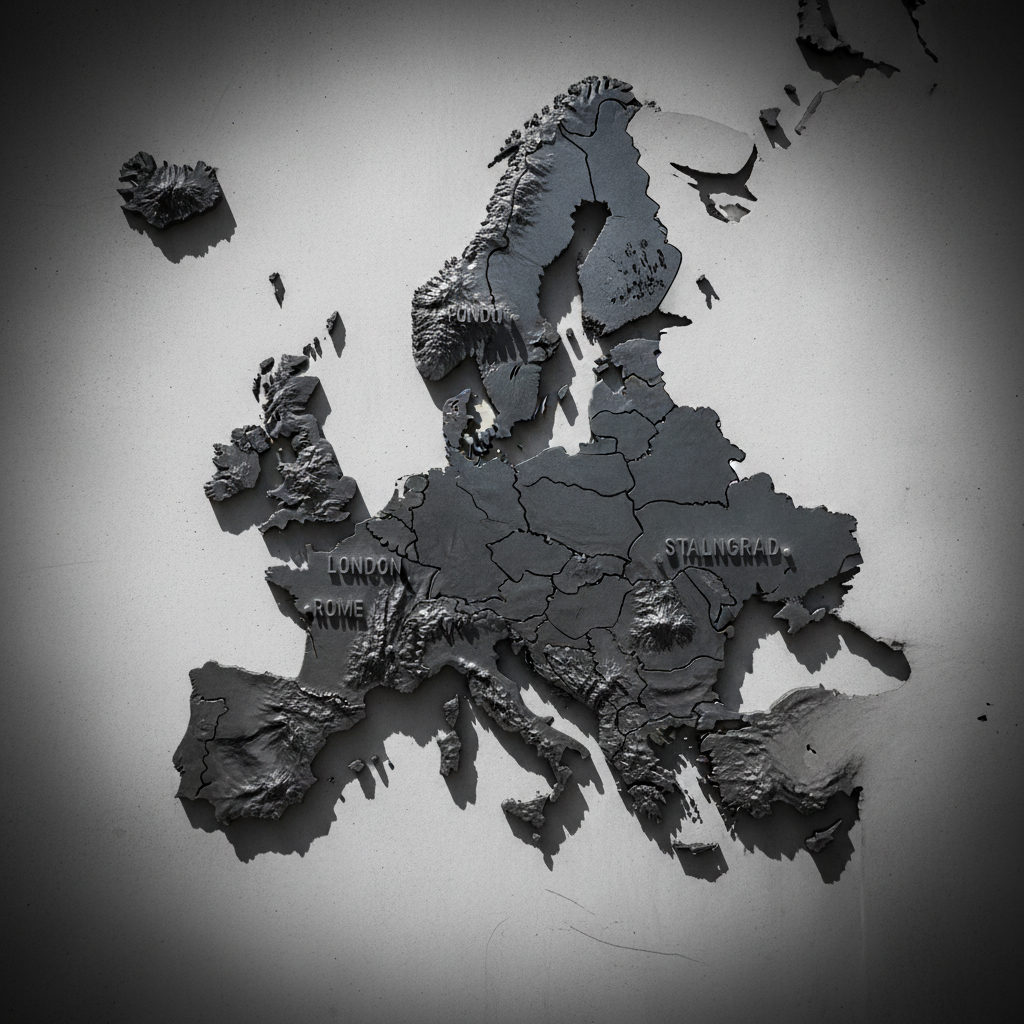
A detailed, three-dimensional relief map of Europe during World War 2, crafted from matte metal in dark gunmetal tones, mounted on a smooth, light concrete wall. Key WW2 cities such as London, Stalingrad, and Rome are raised and subtly labeled in minimalist typography. A strong, directional spotlight from the upper right creates dramatic, razor-sharp shadows that extend across the wall, exaggerating the contours of borders and front lines. The composition is centered and tightly cropped, with a shallow vignette to keep focus on the metallic map. The photographic style is stark, clean, and modern, radiating a bold, analytical mood that reflects strategic exploration of WW2 travel routes.